Production process
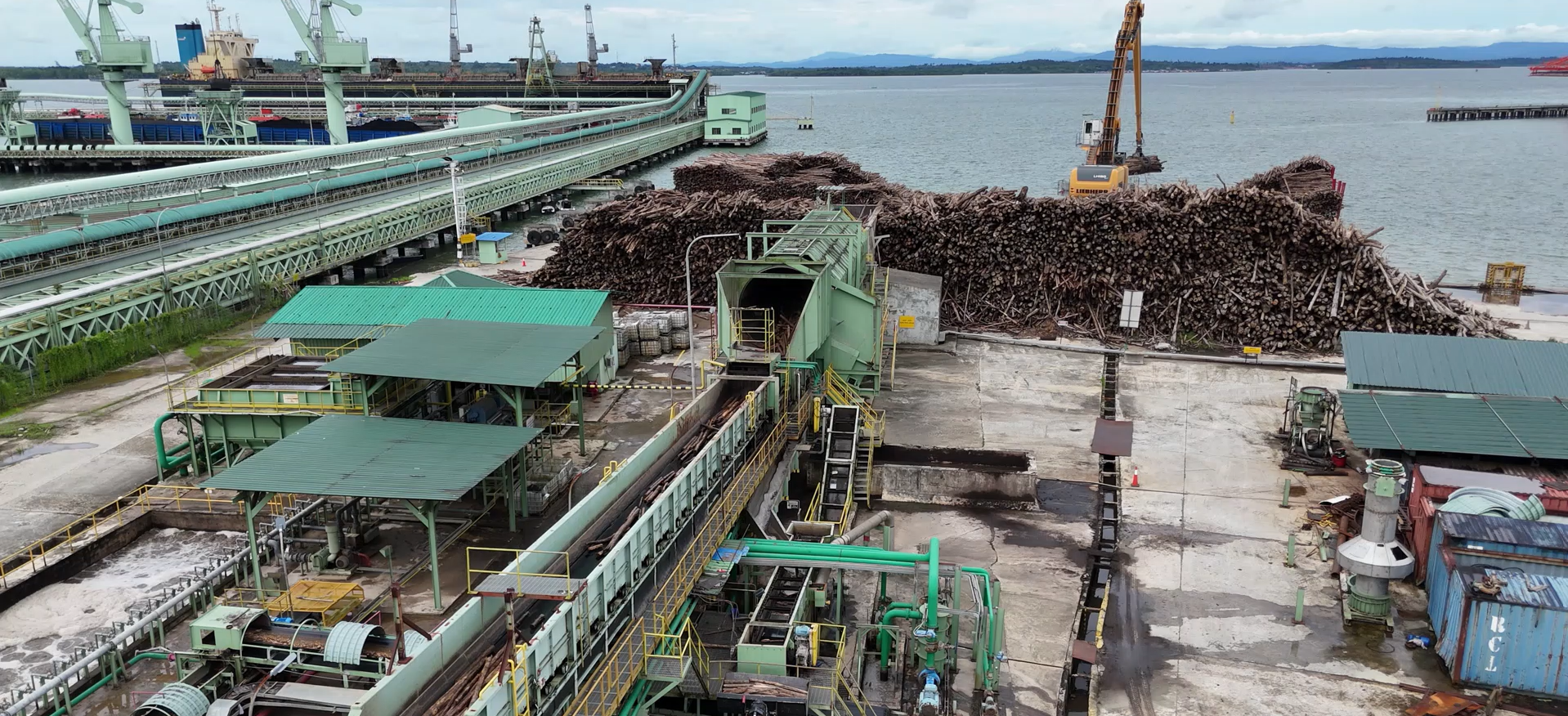
PT. Balikpapan Chip Lestari is equipped with state of the art integrated production facility and controlled production process, from sourcing of sustainable plantation logs to final delivery to customers. BCL has deployed multi-layered quality control system that ensure product quality and consistency.
Process Flow
Integrated Production Process to Ensure Woodchip Quality and Consistency.
Barging
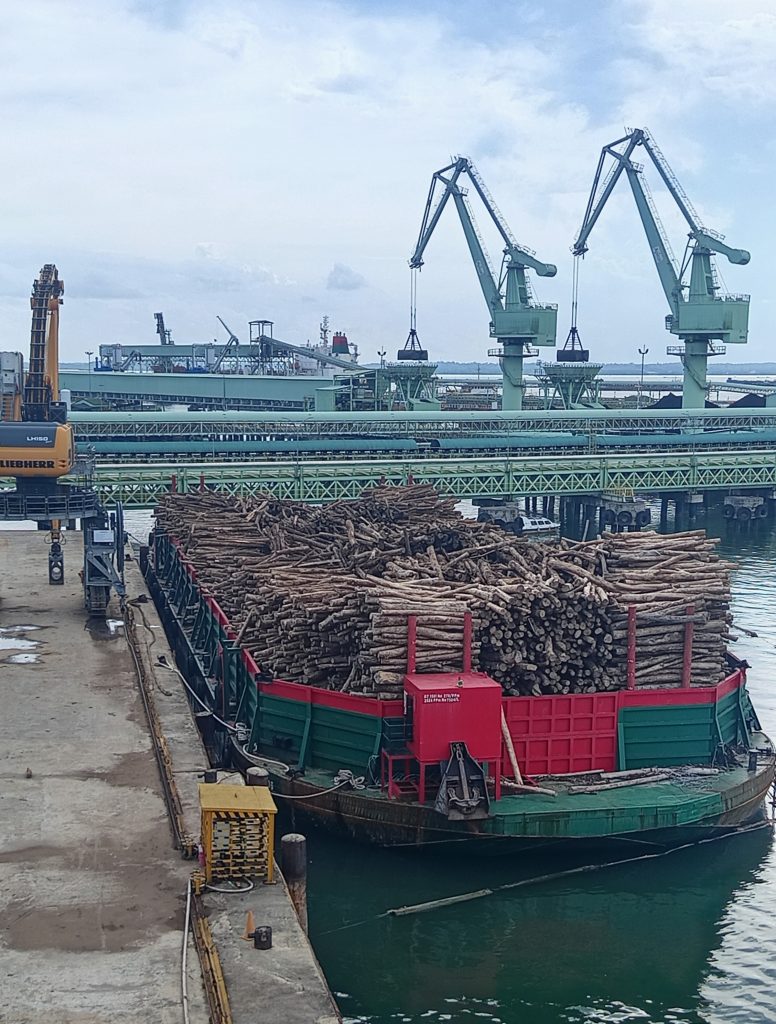
Barging is the process of transporting plantation logs from sustainable Industrial Plantation Forests (HTI) in Kalimantan (forestry) to the mill using a floating barge via river and sea. The barges used vary in size from 230 to 345 feet with a capacity of 3,000 to 10,000 GMT.
Log Unloading
and Feeding
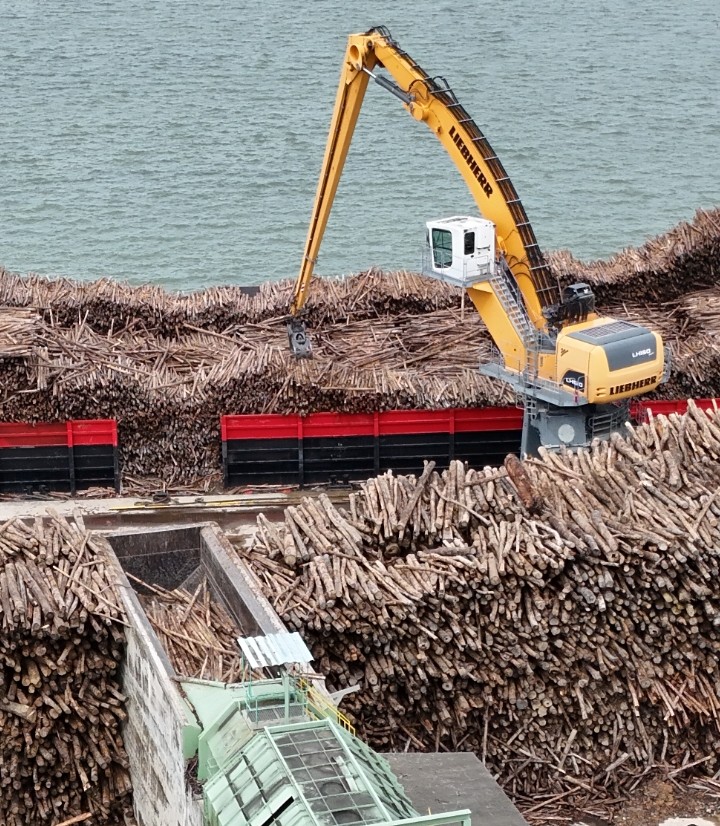
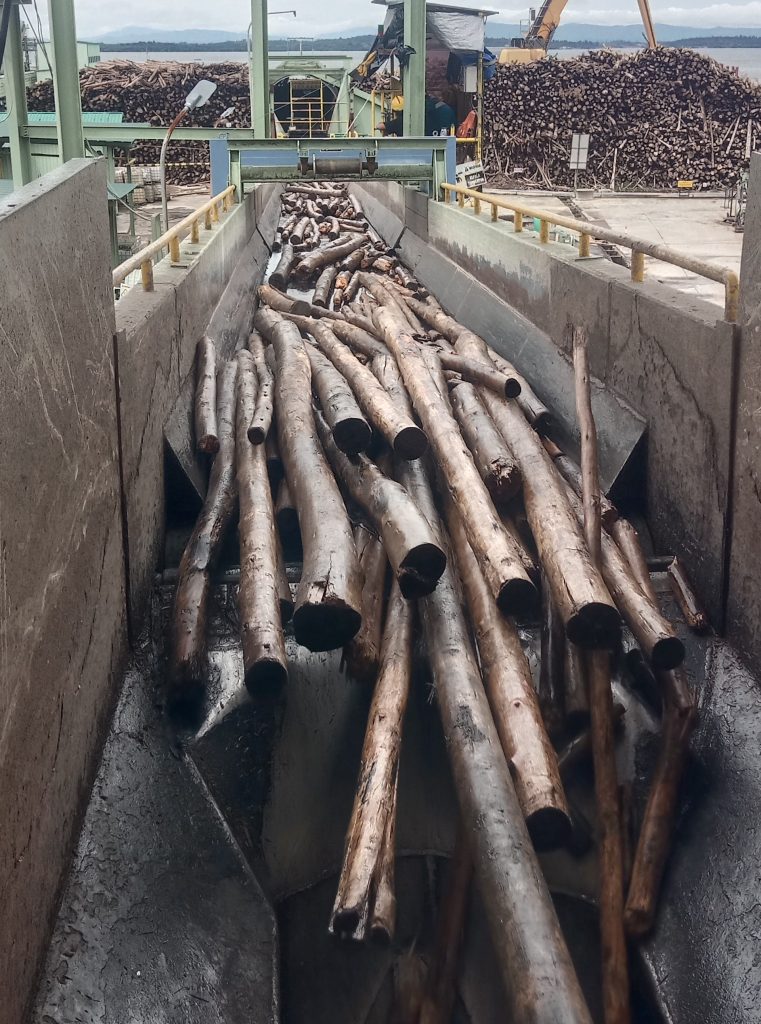
Log unloading and feeding is the process of unloading logs from the barge directly feed to Gentle Feed wood receiving machine using Electric Material Handler with capacity of 5 tons per grab.
Log Debarking
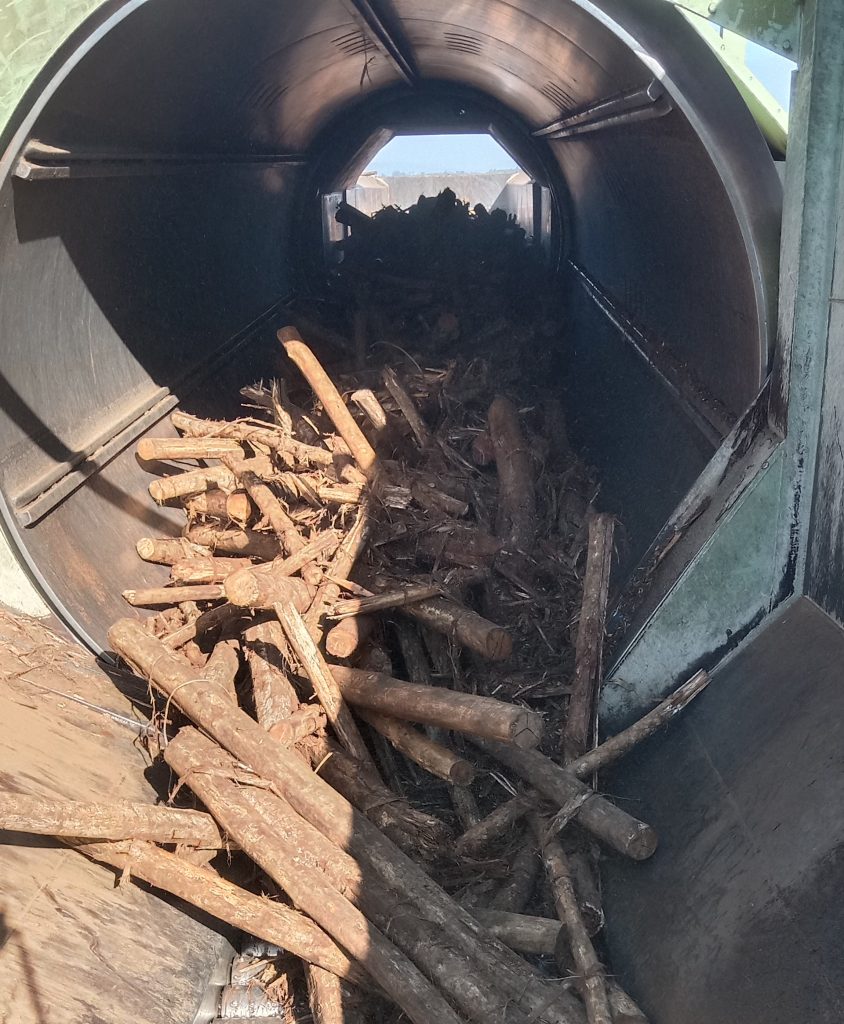
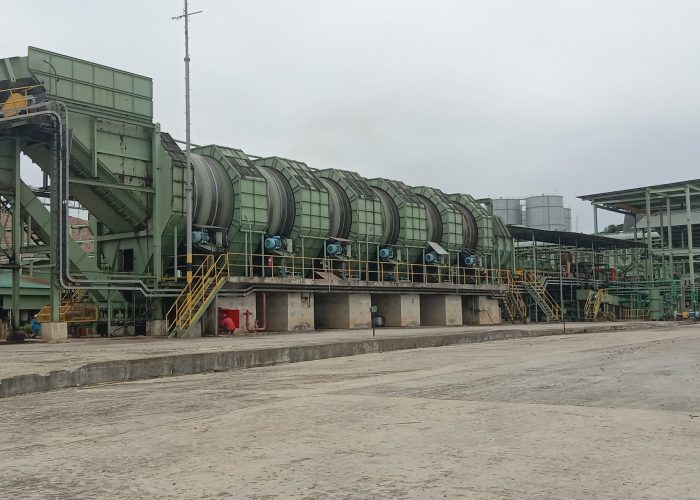
Debarking is the process of separating wood bark from the wood and eliminating other contaminants such as sands and soils. The debarking process occurs mechanically in the debarking drum.
Log Washing
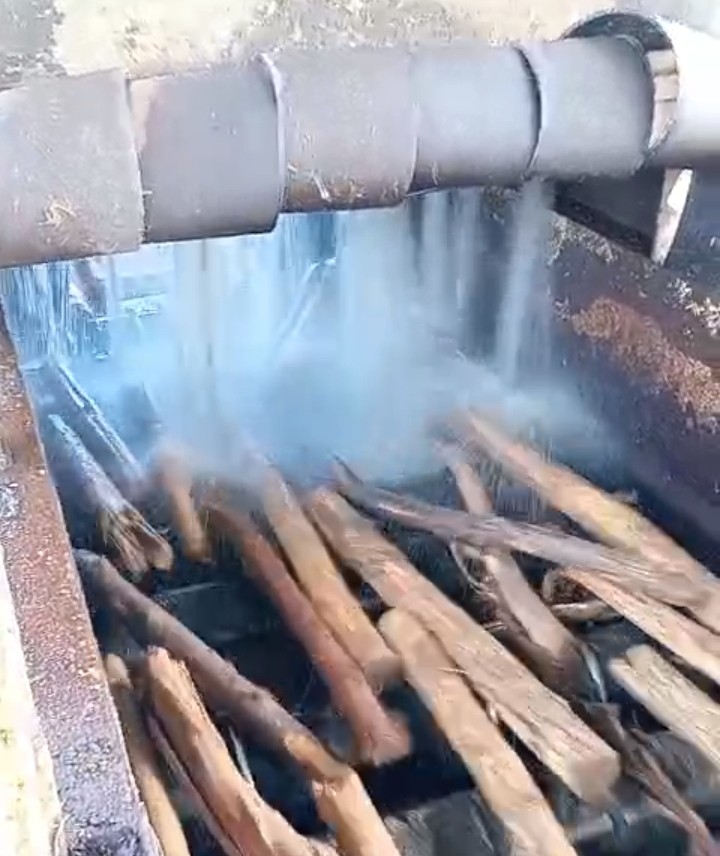
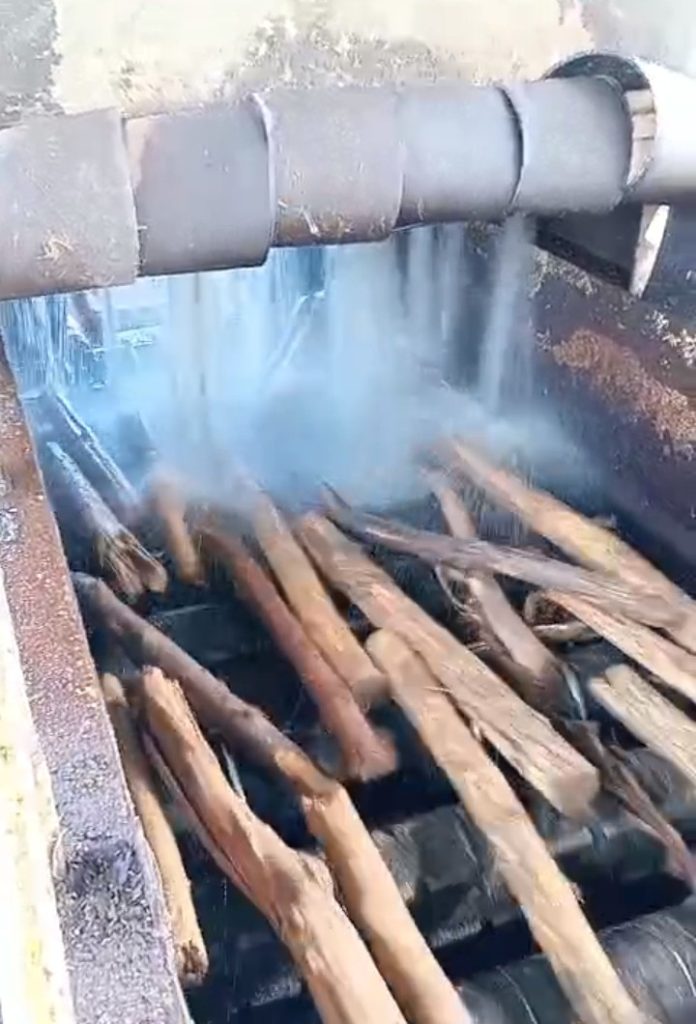
Log washing takes place in the washing roll area which is equipped with high-pressure water spray. Wood that has been peeled in the debarking drum will go to the washing roll area for washing process. This process aims to clean the logs from contaminants that stick to the logs such as sands, soils and others.
Chipping
Chipping is the process of chipping log into small desired chip size. The wood is chipped in a chipper machine equipped with 12 blades attached to a disc chipper. The wood chips are then sent to chip screener for quality screening.
Screening
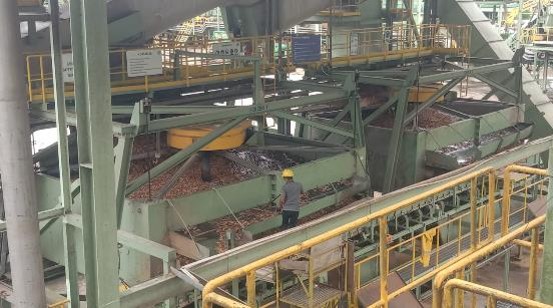
Screening is the process of separating chips according to the specified size, in this process the chips will be separated into 3 parts, oversize chips, accept chips and fines.
Oversize chips are chips with larger size than the maximum permitted limit. Oversize chips will be forwarded to re-chipper machine to be re-chipped into acceptable size.
Accepted chips are chips that are in line with customers’ specifications. From chip-screener they will be forwarded to wood chip pile.
Fines are smaller-than standard chips. From the chip screen, the fines aresent to bark waste collection point for disposal as biomass.

Chip Stacking
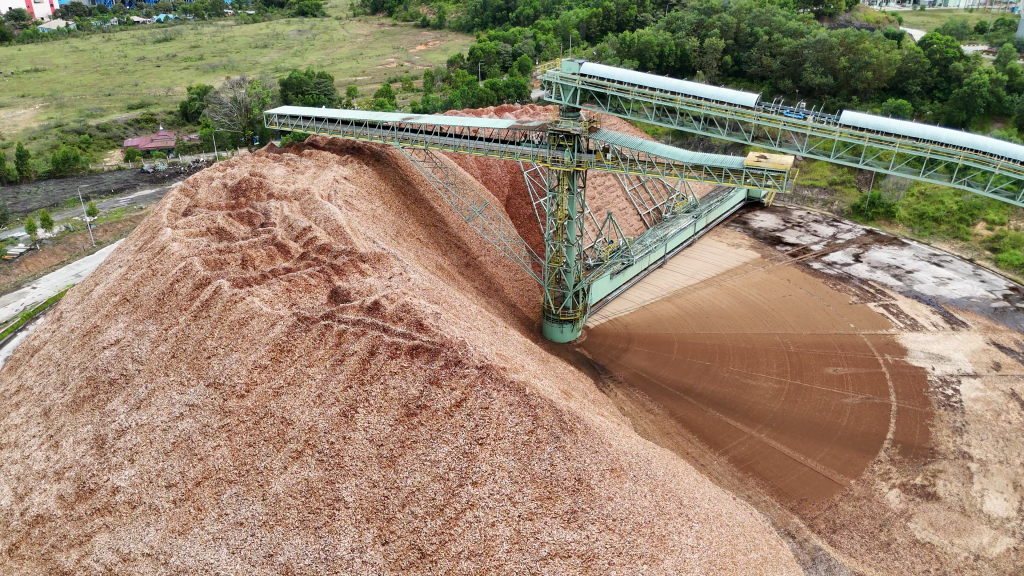
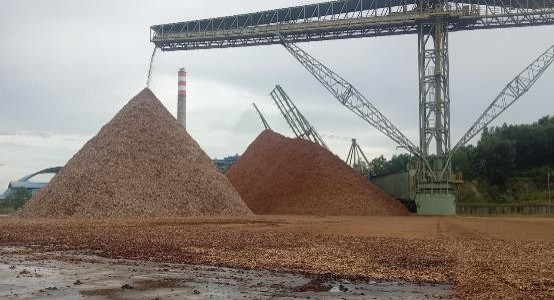
Chip stacking is the collecting of wood chip product in wood chip pile before shipments.
Export
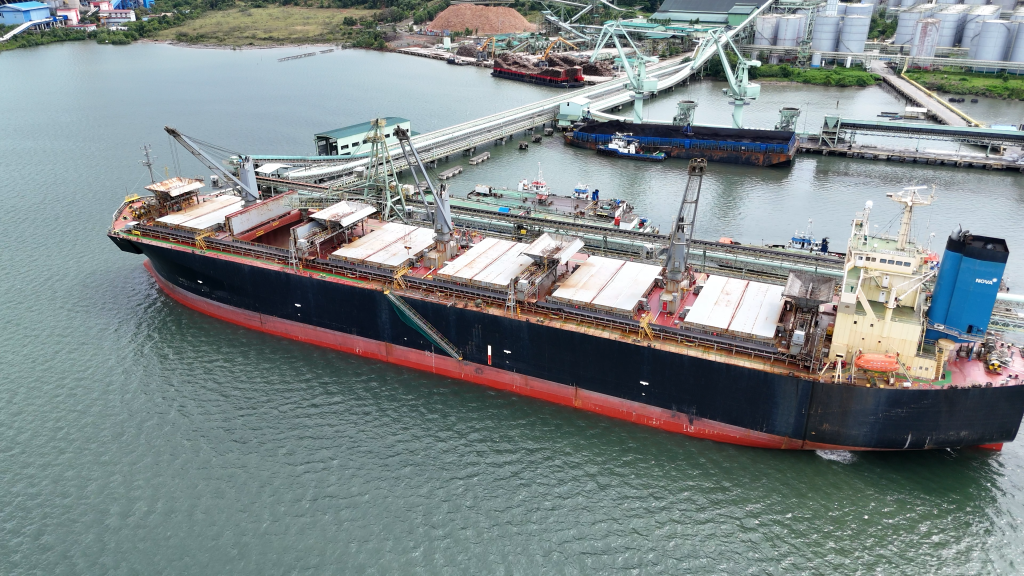
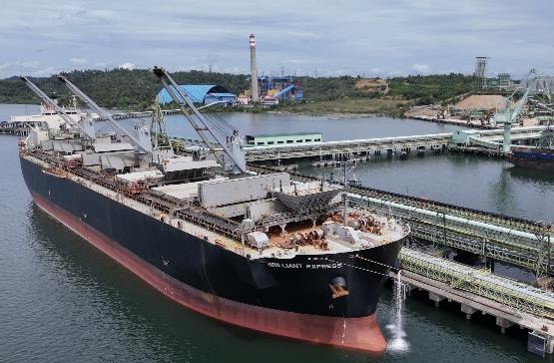
BCL’s Export Jetty is equipped with state of the art chip-loading facilities to vessels with a loading capacity of 14,000 tons/day. The Port pier can accommodate vessels with deadweight size of up to 70,000 DWT.
Chip Sample Analysis
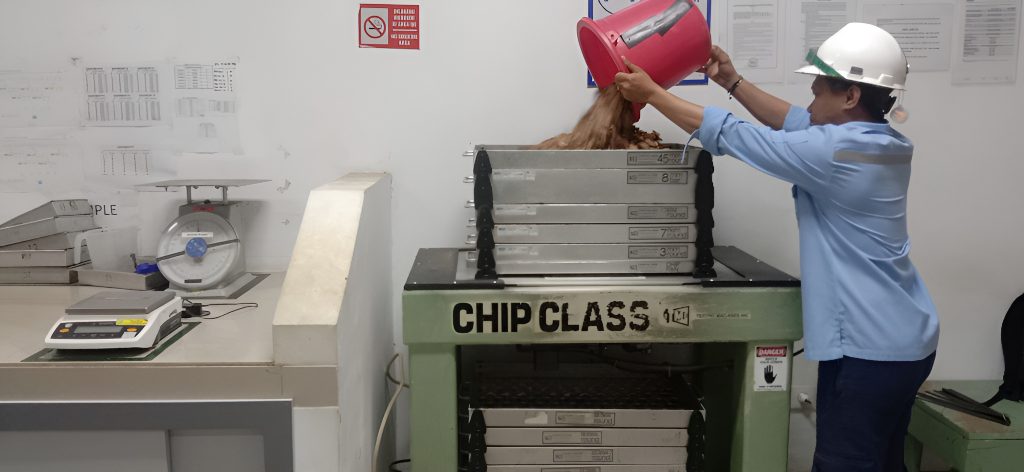
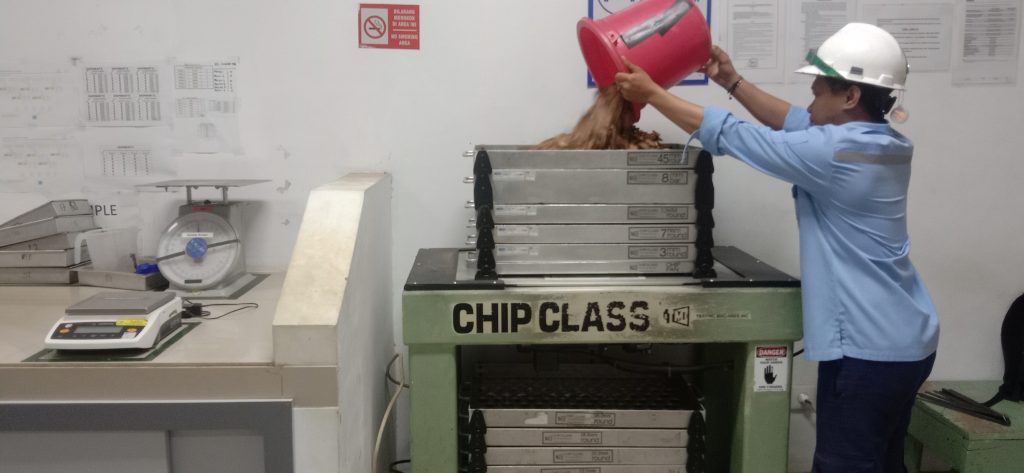
To determine the quality and size of the chips produced, chip sample analysis is carried out in the QC laboratory. Some of the parameters measured are:
– Chip Classification (chip size)
– Wood and Chip Moisture
– Sands and/or irons content in the chips
– Wood and Chip Density
Process Flow
Integrated Production Process to Ensure Woodchip Size Distribution and Quality
Barging
Barging is the process of transporting wood collected from the logging site (forestry) to the mill using a barge via waterways. The barges used vary in size from 250 to 345 feet with a capacity of 3,000 to 10,000 gmt.
Log Unloading
Dan Feeding
Log unloading and feeding is the process of unloading wood from a barge and feed directly into a Gentle Feed wood receiving machine. The unloading of the wood is using an Electric Material Handler with a capacity of 5 tons per grab.
Log Debarking
Debarking is the process of separating wood from its bark and eliminating other contaminants such as sand and soil. The debarking process occurs mechanically in a debarking drum.
Log Washing
Wood washing takes place in the washing roll area which is equipped with high-pressure water spray, wood that has been peeled in the debarking drum will be forwarded to the washing roll for the washing process, washing aims to clean the wood from contamination that sticks to the wood such as sand, soil, and others.
Chipping
Chipping is the process of chopping wood into small pieces called chips. The wood is chopped in a chipper machine equipped with 12 blades attached to a disc chipper. The chips are then sent to a chip screen for further processing.
Screening
Screening is the process of separating chips according to the specified size, in this process the chips will be separated into 3 parts, namely oversize chips, accept chips and fines.
Oversize chips are chips with larger size than the maximum permitted limit, oversize chips will be forwarded to the re-chipper to be re-chopped so that the size can be accepted.
Accepted chips are chips whose size meets acceptable specifications, from the chip screen they will be forwarded to the product stacking area or chip pile.
Fines are smaller-than-standard chips. From the chip screen, the fines are sent to a bark waste collection point for disposal.
Chip stacking is the collecting of wood chip product in a chip pile before export.
Chip Stacking
Chip stacking is the process of stacking production chips in a chip pile before export.
Export
Export involves loading the product (chips) onto a vessel for delivery to the customer. The process of transporting the chips from the chip pile to the vessel is using several automated machines, including reclaimers, belt conveyors, and shiploaders.
The Export Jetty is equipped with sophisticated chip loading facilities to vessels with a loading capacity of 14,000 tons/day, and the Port pier can accommodate vessels with a deadweight size of up to 70,000 DWT.
Chip Sample Analysis
To determine the quality and size of the chips produced, chip sample analysis is carried out in the QC laboratory.
Some of the parameters measured are:
– Chip Calcification (chip size)
– Wood and Chip Moisture
– Sands, irons content in the chips
– Wood and Chip Density